
Castles in Bloom: Kent’s Seasonal Garden Festivals Unfold
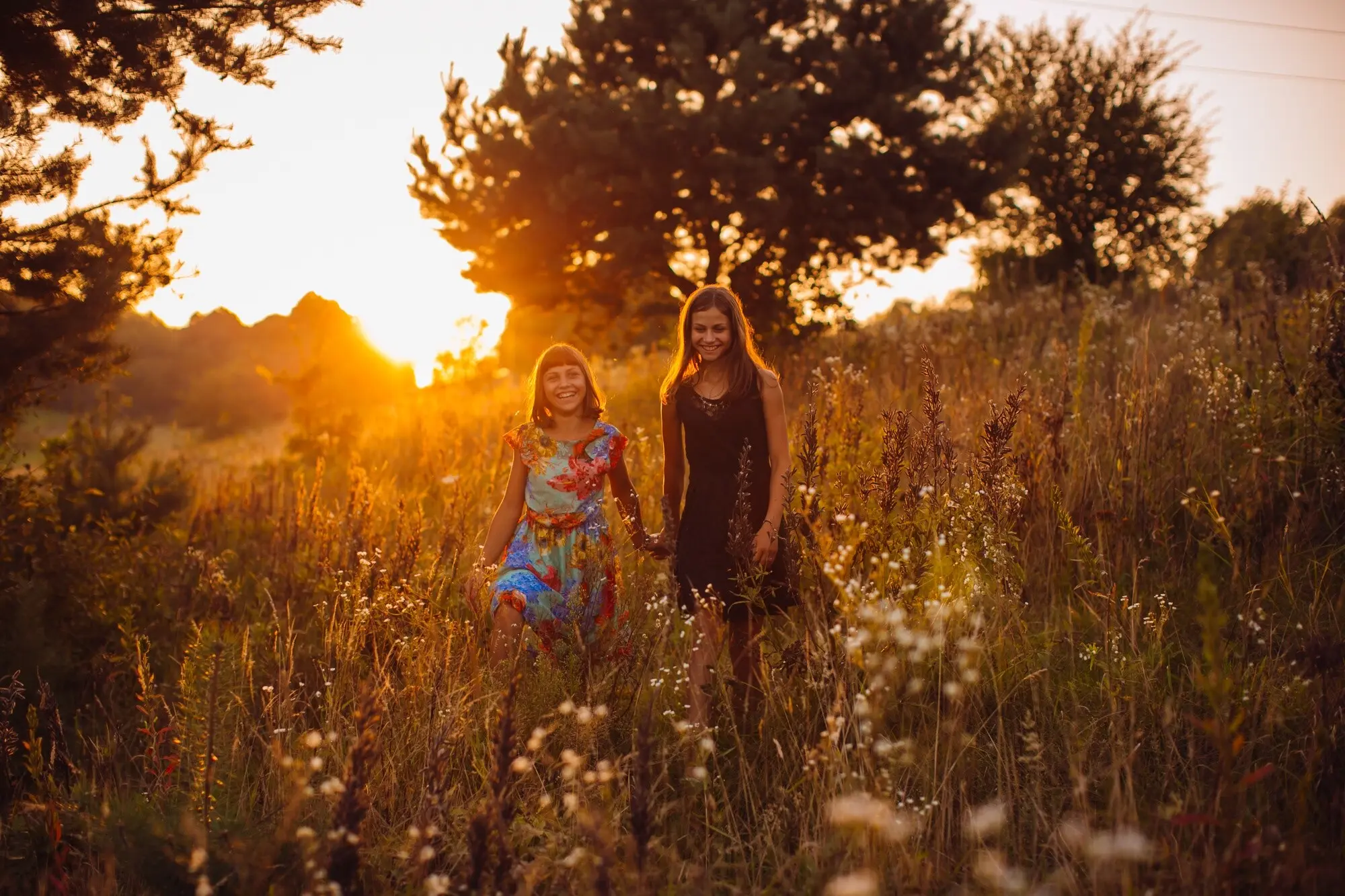
Step into Seasonal Garden Festivals at Kent’s historic castles, where tulips flare beside ancient moats, roses frame battlements, and autumn artistry transforms grand halls with living color. Wander Hever’s exuberant displays, Leeds Castle’s acclaimed Festival of Flowers, Walmer’s productive kitchen garden, and Sissinghurst’s poetic borders. Expect practical planning tips, insider stories, and ways to connect with fellow garden lovers, so your next visit feels effortless, uplifting, and wonderfully memorable from the first blossom to the last lingering fragrance at dusk.

Spring Awakening across Moats and Walled Beds
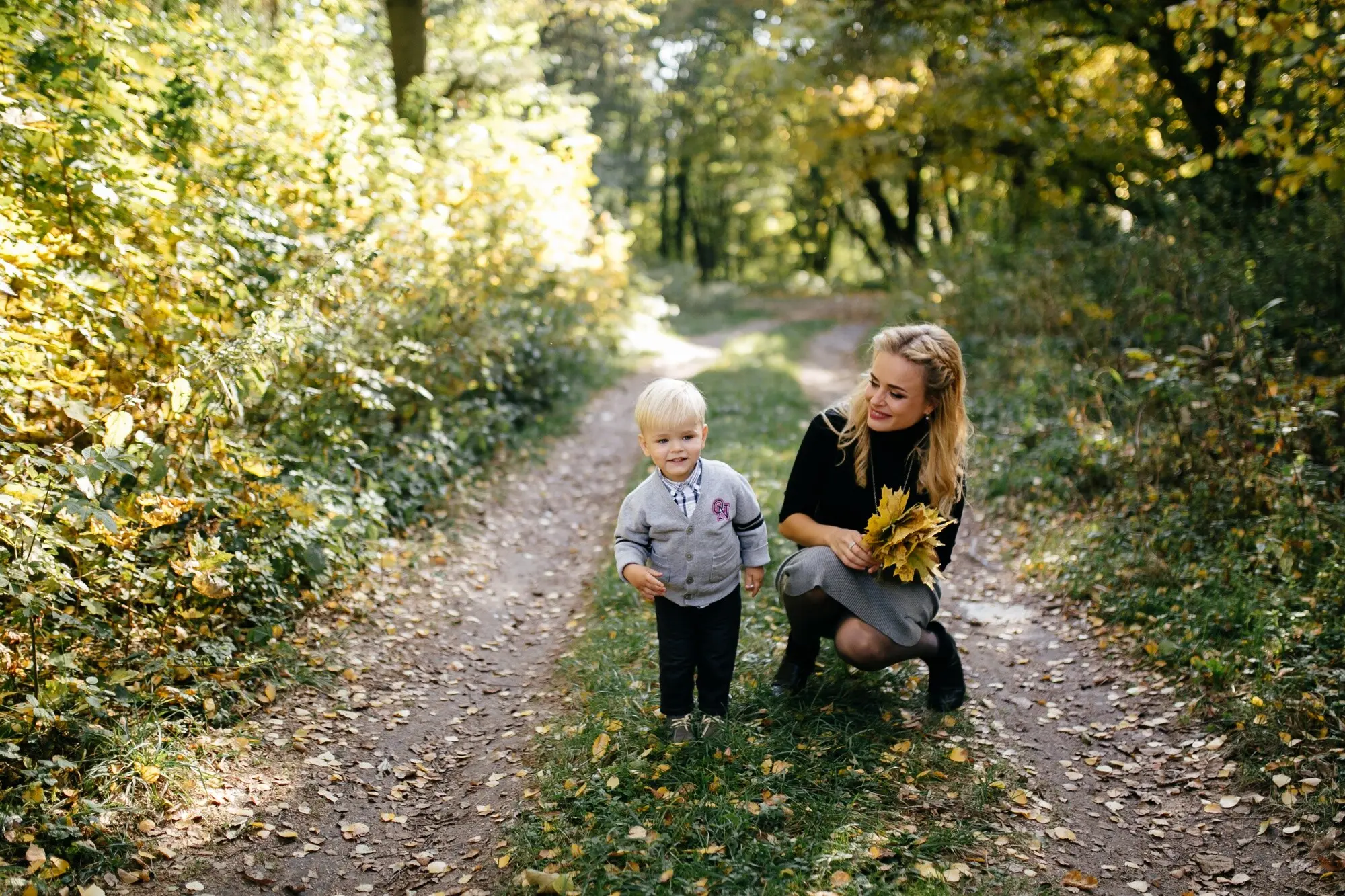
April often shimmers at Hever with its celebrated tulip showcases, where reflections ripple across the moat and pathways burst into painterly sequences of height, texture, and hue. Sissinghurst’s orchards hum with blossom and bees, while Scotney’s azaleas and rhododendrons flare across the valley. Plan layered clothing for brisk mornings, arrive early for dew-lit photographs, and linger to hear gardeners describe how frost, wind shifts, and soil warmth choreograph the season’s first, dazzling overture.

Summer Radiance in Rose Walks and White Gardens

June and July invite languid strolls through Hever’s rose-lined avenues, where heritage cultivars mingle scent and story, and Sissinghurst’s White Garden glows most poignantly as evening softens edges and silver foliage gleams. At Walmer, herbaceous borders gather tempo, pairing breezy seaside air with sun-warmed herbs and pollinator hum. Expect outdoor concerts, family trails, and twilight picnics, plus rare-plant nurseries popping up on selected days, letting you take home living mementos of a luminous afternoon among stones and petals.

Stories Rooted in Stone: History Intertwined with Horticulture

Hever’s Italianate Vision and Tudor Echoes

Hever’s grounds weave Tudor lineage with Astor’s early twentieth-century ambition, framing sculpture walks, colonnades, and water vistas that encourage bold spring plantings and operatic tulip harmonies. Garden teams translate this grand structure into seasonal rhythm, balancing historical aesthetics with modern techniques like peat-free composts and precise irrigation. Walk slowly through clipped geometry, pause where stone warms the air, and notice how pruned lines set a stage on which color and fragrance rehearse their most dramatic entrances.

Leeds Castle’s Social Elegance Reimagined in Flowers

In the 1920s and 1930s, Lady Baillie hosted gatherings where art, music, and conversation simmered late into candlelit nights. Today, designers channel that spirit through the Festival of Flowers, composing installations that converse with tapestries, chandeliers, and sunlit windows. You’ll see playful botanicals bending history’s formality, turning corridors into whispers of perfume and texture. Talks and demonstrations reveal how palettes evolve annually, ensuring returning visitors rediscover familiar rooms transformed into entirely new, living narratives of season and style.

Walmer’s Kitchen Garden Revival and Coastal Character

At Walmer, a revived kitchen garden captures Kent’s productive heritage, threading culinary tradition with contemporary sustainability. Beds pulse with seasonal vegetables, berries, and herbs, protected by hedging and warmed by maritime light. Chefs and growers collaborate on low-waste menus, while families learn seed sowing and composting basics that translate home. Pause at espaliered fruit walls, listen for sea breeze through borders, and appreciate how practical beauty thrives beside fortifications once dedicated to vigilance rather than vine-ripe tomatoes and sun-sweet currants.

Plan a Flawless Visit: Tickets, Timing, and Travel
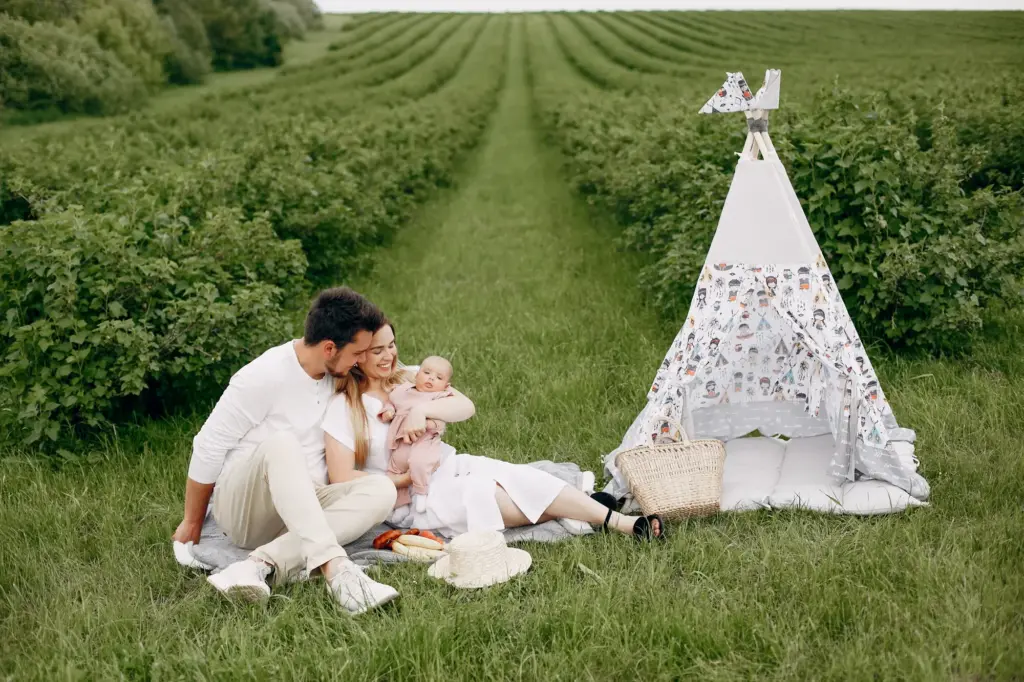
A graceful festival day depends on smart logistics: timed entry for headline weekends, flexible layers for British skies, and routes that turn arrivals into part of the pleasure. Trains with short taxi hops often beat traffic; midweek mornings invite quiet contemplation; and golden-hour returns reward photographers. Confirm shuttle services where offered, pack a light picnic, and bookmark event pages for updates on talks, demonstrations, or children’s activities, ensuring each member of your group finds something delightfully their own.

Behind the Blossoms: Makers, Designers, and Volunteers

Glimpse the invisible ballet guiding every flourish: growers coaxing uniform height from tulips facing microclimate quirks, florists rigging foam-free structures that spare historic fabric, and volunteers wheelbarrowing compost before dawn. Talks reveal pest management that favors biodiversity, rain-saving systems, and heritage propagation. Listen for anecdotes where last-minute weather flips prompt brave rethinks, reminding us festivals are living collaborations—equal parts skill, patience, and improvisation—shaped by the castle’s bones, the season’s mood, and teams who quietly choreograph magic.

Night-Shift Transformations in Historic Rooms

When castle doors close, florists and stewards begin a hushed metamorphosis. Foam-free installations rely on chicken wire, moss, and reused vessels, while humidity is carefully balanced to protect paneling and plaster. Ladders thread through candlelight, petals are misted, and every footfall respects centuries-old floors. By morning, corridors bloom with arching stems, scent pools beneath lanterns, and the alchemy appears effortless—though it rests on spreadsheets, rehearsed routes, and teams who read rooms as intuitively as any master horticulturalist reads a border.

Beds, Borders, and Biodiversity in Practice

Outdoors, grafted expertise meets soil memory. Peat-free media, on-site composting, and leaf-mold mulches sustain structure and moisture, while mixed planting schemes extend nectar from early spring to frost. Pollinator corridors link lawns to wild corners; hedgehog gaps soften boundaries between formal and naturalistic moods. Gardeners track phenology to time successions, trial drought-tolerant perennials for hotter summers, and sparingly water at dawn. The result is a resilient stage where festivals genuinely celebrate abundance without exhausting the living systems that make abundance possible.

Anecdotes from the Grounds: Weather, Wisdom, and Resolve

Ask a gardener about the year a rogue northeasterly flattened delphiniums hours before a tour. Out came stakes, twine, and Plan B plantings, and guests never guessed the scramble. A volunteer recalls guiding children who counted bees for a citizen-science hour, cheering each fuzzy visitor like a tiny parade. These stories knot community to place, proving festivals are not polished spectacles alone but shared endeavors where hiccups become folklore and teamwork threads resilience through every petal and path.

Taste the Season: Kentish Producers and Castle Picnics

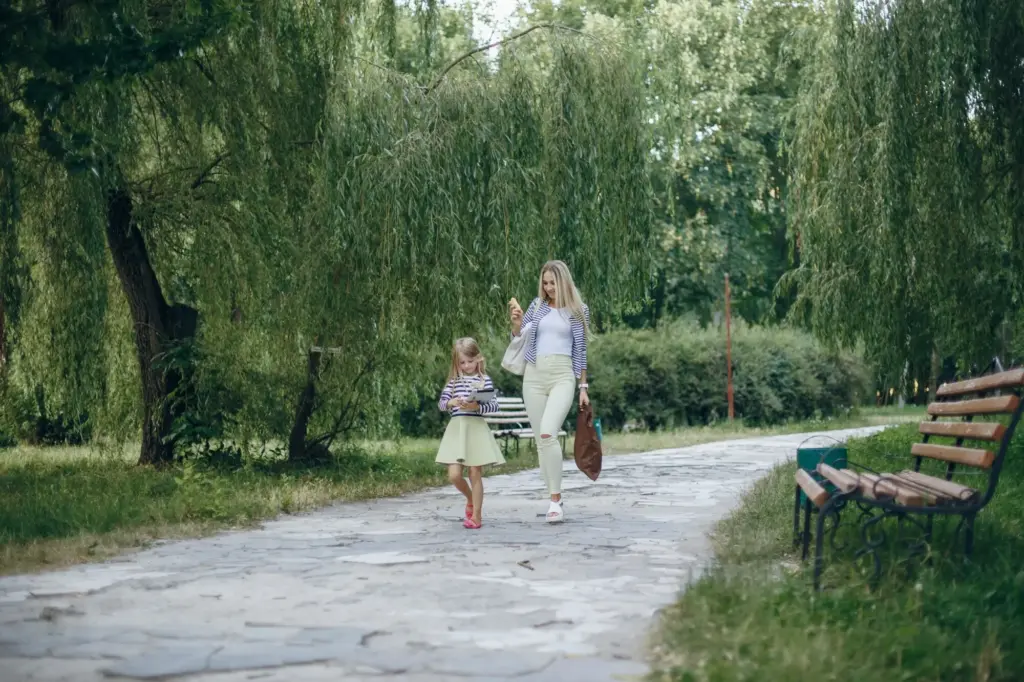
Kent’s bounty complements floral joy: orchard juices sparkle in sunlight, local cheeses pair with herb-leaf salads, and bakers elevate simple scones with fragrant jams. Markets highlight ethical producers, seasonal menus minimize waste, and family-friendly options abound. Seek shady lawns for unhurried picnics, then wander back past espaliers and herb knots, letting rosemary, thyme, and apple blossom punctuate conversation. Thoughtful eating joins thoughtful gardening here, linking soil to plate and making a day’s color feel as nourishing as its flavors.

Keep the Conversation Growing: Share, Subscribe, and Return

Festivals change every season, and your insights help others catch the best moments. Share tips in the comments, post photographs, and subscribe for curated calendars that flag peak weekends, talks, and quieter midweek gems. Consider memberships if you return often, and volunteer if you’re eager to learn from experts. Above all, tell us what surprised you most—an unexpected fragrance, a designer’s daring flourish, or a child’s laughter echoing along a moat—so our community’s garden wisdom keeps circling back, richer each year.

Share Your Moments with Our Community

Post a favorite photo angle, mention the time of day, and describe any hidden benches or mellow corners that rescued tired feet. If you sketched a border or noted a cultivar, include details to guide others. Be kind with feedback on queues or signage, and celebrate volunteers by name when appropriate. Your grounded, specific reflections help first-timers feel welcome and inspire seasoned visitors to see familiar parterres, pergolas, and lawns through a freshly attentive, generously human lens.

Memberships, Passes, and Perks for Repeat Explorers

If you fall in love—as many do—memberships can unlock early entries, discounted events, or reciprocal benefits across partner sites. Compare options tied to individual castles, as well as broader organizations stewarding historic places. Weigh parking, guest passes, and family plans against your calendar. The real value, though, is rhythm: returning across seasons, watching borders mature, and feeling a place thread into your year like a bookmark you happily revisit, fresh page after fragrant, color-laden page.

Influence the Next Festival Season

Designers and gardeners read feedback closely. Tell us which talks resonated, which routes flowed, and where you wished for more shade, seating, or interpretation. Nominate flowers you hope to see showcased next year, or subjects for hands-on workshops. If you can spare a morning, join volunteer planting days and learn alongside professionals. Collective curiosity and care shape future festivals, ensuring history remains alive not just in stone, but in soil, scent, and the joyful footsteps of returning friends.
Lorovarorinosanokavi
Privacy Overview

This website uses cookies so that we can provide you with the best user experience possible. Cookie information is stored in your browser and performs functions such as recognising you when you return to our website and helping our team to understand which sections of the website you find most interesting and useful.